top of page

The Hub

With over two decades of dedicated service to the Tiffin Ohio community, we take pride in being more than just a plumbing and heating company. Our customers consider us friends because we prioritize individual care in every interaction. Our hardworking team is committed to delivering top-notch plumbing, heating, and electrical services, recognizing your home as a valuable investment. We aim to enhance your home's value through professional and exceptional service. This blog offers essential guidelines for maintaining various equipment in your home, from furnaces to plumbing fixtures. Explore our links for specific service needs or learn about our Service Agreement program for HVAC equipment. Feel free to contact us for any immediate questions, service requests, or quotes. We look forward to being a reliable resource for you, your friends, and your family.

  • Rebecca Weaver
  • Jan 18, 2024
  • 3 min read

Updated: Jan 19, 2024

We often hear "My heat pump is smoking and making a terrible noise!" then we arrive and the heat pump is working perfectly fine. The customer probably caught the unit in defrost mode and panicked- but don't worry! We'll help you recognize the signs of defrost mode in your heat pump.
Heat Pumps Enter Defrost Mode For 3 to 5 Minutes

We get so many calls about heat pumps turning off in the middle of winter's coldest days.


Homeowners are frantic as they try to figure out what could be going wrong with such an expensive piece of equipment- and we're right there with you!


Heat pumps are an excellent source of energy-efficient heat, though they weren't always the answer for Americans up north. As the technology has developed, heat pumps have become resistant to the harsher winters in the Midwest, making them a popular option for homeowners looking to lower their energy bills. For more general information about Heat Pumps, read our post about their history, benefits, and common issues: https://www.greenesplumbing.com/post/the-truth-about-heat-pumps.


If you notice your unit isn't kicking on for what seems to be a long time, don't panic just yet! When temperatures get excessively low, heat pumps need to defrost so they do not become one big block of ice!


Will My House Get Cold?

Chances are your heat pump is perfectly fine if it's demonstrating the signs we've listed because all of these signs are an indication that the unit has gone into defrost mode. Defrost mode does not last long, so allow the unit 5 or 10 minutes to kick back on. Once it's thawed out, it will go back to heating your home like normal. Typically, when your heat pump is in defrost mode, your backup heat should kick on to maintain a sustainable temperature in the home. If you notice the unit doesn't kick on for about a half hour or so, and the backup heat has not kicked on, but your inside temperature is dropping below your set temperature, then it's time to investigate.


The Importance of Defrost Mode in Heat Pumps:


1. Preventing Efficiency Loss:

Defrost mode gets rid of excessive ice buildup on the outdoor coil. Because the coil provides insulation to the unit, ice buildup can keep it from protecting the rest of the unit and cause key parts to freeze or work less efficiently. Defrost mode ensures the unit stays warm and efficient.


2. Maintaining Heating Capacity:

By periodically defrosting, heat pumps can keep providing warm heat to your home, ensuring consistent and reliable performance, especially in cold temperatures. Without defrosting, the unit would be working against ice and snow, which would cool off the heat before it was delivered to your home.


3. Comfort Control:

Because the heating capacity is maintained, efficient defrost cycles contribute to maintaining a comfortable indoor temperature, providing a seamless heating experience for users.


4. Preventing Damage:

Ice accumulation can cause damage to your heat pump. Defrost mode helps prevent this by melting the ice and allowing the unit to function properly.


5. Extended Lifespan:

By preventing damage to the unit and its components, regular use of defrost mode contributes to a longer lifespan for the system. It's important to make sure your heat pump is going into defrost mode during extremely cold temperatures, because it may cost you money in the long run if it fails to do so.


How to Identify Defrost Mode in Your Heat Pump:


1. Outdoor Unit Noise:

Listen for a change in the sound of the outdoor unit. A whooshing or humming noise may indicate that the heat pump is in defrost mode.


2. Steam or Vapor:

Look for steam or vapor rising from the outdoor unit during colder weather, signaling that the heat pump is actively melting ice. This is the easiest way to know if your heat pump is in defrost mode.


3. Cold Air from Vents:

Temporary cold air blowing from the vents indicates that the heat pump is redirecting warm air for defrosting. Normal heating will resume after the defrost cycle. Your backup heat should kick in if the temperature in your home begins to drop below the set point. This is typically done at 2 degrees below the set point but depends on how your thermostat is programmed. Some defaults are set to call for backup heat at 4 degrees below the set point.


4. Indicator Lights or Messages:

Check for flashing lights or specific messages on the thermostat or control panel that signal the heat pump is in defrost mode. When calling in any heat pump issue, make sure you know of any codes flashing. These can tell technicians exactly what's going on depending on the brand. Check your user manual as well, and see if it provides the light codes and their meanings.


Knowing how to identify defrost mode prevents unnecessary stress. If in doubt, feel free to call your trusted local professionals to see if there could be a greater issue. Ask them about defrost mode and how to know the difference between typical activity and signs of a problem.


Greene's is located in Tiffin, Ohio, and also services the surrounding areas like Fremont and Findlay. We'd love to answer your questions and help you better understand the equipment in your home!


  • Rebecca Weaver
  • Jul 27, 2023
  • 7 min read

Air conditioning is becoming less of a luxury and more of a necessity for people living in America. Central air is the most popular way to cool your home, using a condensing unit, an evaporator, and an air handler to produce cool air. A system of ductwork and registers is used to circulate the air around the home, and temperature is easily regulated using a thermostat. Central air is the most popular because one unit can cool an entire house to temperature with ease, where most other methods need several units or only condition the air in one part of the house.

Two outside condensing units used for the purpose of providing a visual representation of their size. These units are grey with no brand represented on the unit.
Generic Outside Condensing Units

This post will discuss:

  1. Cost & Efficiency

  2. Placement

  3. Pros, Cons & Alternatives

  4. Recommended Brands


Cost And Efficiency

Central air systems are one of the more expensive options for residential air conditioning. There a few things to consider when designing a budget for this kind of project:


Is ductwork already present in your home and will it work for central air conditioning?

Ductwork is expensive, and depending on the layout of your home, it may add a slight or significant amount to your cost. There's no good way to give an accurate range for the cost to install ductwork because every situation is different. The amount and kinds of duct you need, amount of registers, and ease of access can all impact the anticipated cost of installing it. If you're looking for an accurate estimate, it would be best to schedule a consultation with a local company and have them walk you through it.


If you already have ductwork in your home, whether it be from a past system or for your current heat source, it will make the installation of central air more affordable. The ductwork can be updated in places where it's necessary, reducing the cost of materials and labor.


Are you looking for high or average energy efficiency?

High efficiency systems are designed to use energy more efficiently. They will result in lower utility bills without compromising the comfort of your home. These units tend to be more expensive up front, but because of the amount saved on electricity and gas bills, they're an investment worth considering. As the efficiency rating decreases, the upfront cost will decrease too, but utility bills are not expected to drop as much as they would for high efficiency.


One of the best units for high efficiency is a heat pump, which you can read more about here.


This article from MIT Tech Review is also helpful: Everything You Need To Know About Heat Pumps


We have found that people save around $50 each month on their electric bills when they switch to a heat pump (from a standard air conditioner, geothermal unit, or window air conditioners). That may not sound like much, but after 12 months, you'll have saved about $600.


After 3 years, you're expected to save around $1,800 total.

And after 5 years, the total savings are around $3,000.

The average life span for a heat pump is about 15 years. You spend around $2,300 more up front than you would for a standard air conditioner, but a heat pump will pay for itself pretty quickly and save you thousands of dollars in the long run.


Heat Pumps may not be the best financial option for you right now, and that's okay. You may get 2 or 3 more years out of an air conditioner, and the unit will cost $2000 to $3000 less than a heat pump depending on its size and efficiency rating. If you do not have room in the budget for a heat pump right away, there are standard units that work perfectly fine and will keep you just as cool without the higher energy efficiency.


What kind of insulation do you have in your home?

Insulation is a detail that often gets overlooked when trying to figure out the cost of installing central air conditioning. Even so, it is one of the most important. When determining the size of unit needed for your home, insulation plays a significant role.


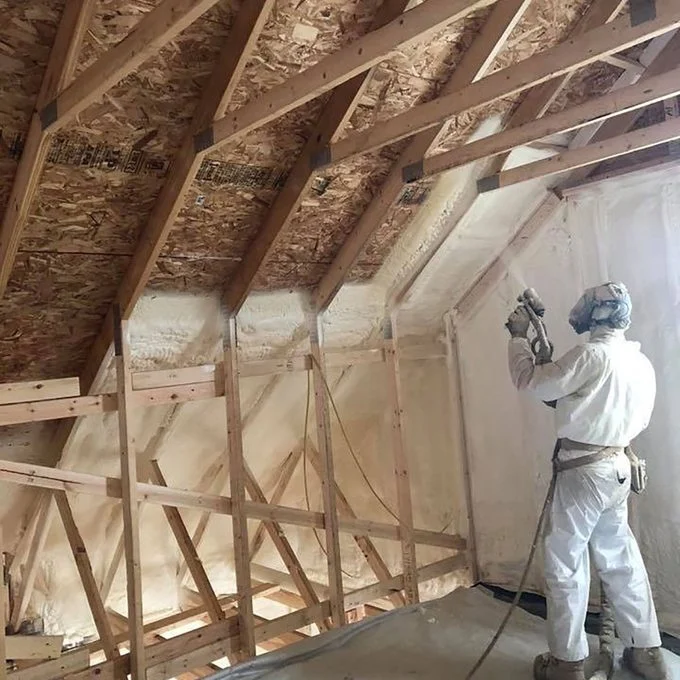
Insulation is intended to keep the outside environment from having too much of an impact on the temperature and humidity inside your home. The better the insulation, the better your house holds temperature. Air conditioners must work harder to keep up if the insulation is not effectively keeping cold air in your home. Cellulose or Fiberglass insulation are not going to be as efficient as a high quality insulation, like spray foam. Your HVAC system will have to work much harder in a home with less efficient insulation, using more energy and needing a larger unit to keep up.


In other words, excellent insulation could save you A LOT of money on the unit itself and your HVAC energy bills! (Saving about $2000 by getting the smaller unit and THOUSANDS on energy bills once it's installed!)


Read this article to learn more about Spray foam and its impact on HVAC Systems: Green Integrated Design.


If you are interested in upgrading to spray foam, we recommend Seneca Spray Foam & Encapsulation. They are an excellent local contractor! Click here to be taken to their website.


Finally, here's an article with some general information on spray foam insulation: Why Spray Foam.


Central Air Conditioning Placement

The inside unit for an air conditioner is called an evaporator coil. It is typically placed inside or next to the heating equipment. To learn more about the evaporator coil, click here. Typically, these units are near an outside wall because a condensing unit will be placed on the outside of the house. Scheduling a consultation with a local HVAC contractor is ideal when trying to decide where the unit can go. They will be able to walk you through the best and worst placements for your system.


Be sure that you have space somewhere around the outside of your home for the condenser. Consider your heat source and whether or not a coil can be added to or placed around your current set up. If not, can the current units be moved or replaced to make coil placement possible? These are great questions to look into before a consultation, and excellent questions to ask your contractor.


Pros, Cons & Alternatives

When considering pros and cons, there are some pretty obvious ones, like the value of your home increasing or your pockets feeling a little empty afterward. But what are all those less obvious benefits that come with central air?


Central air is the best way to control the temperature of your entire house. The equipment is durable and lasts a long time, making the investment well worth it. You'll have a wider rang of efficiencies to choose from, giving you plenty of options when deciding what's best for you. Should it ever need work done, the systems are extremely easy to trouble shoot and parts are easy to replace. Warranties are usually pretty good for these units, too, depending on the brand.


Cost is definitely the greatest downfall, but customers have raised concerns about zoning features, as well. If you are looking for something to customize the temperature in different rooms, this isn't a great option. These units are controlled by 1 thermostat and will cool the entire house to that one temperature. If you would like something with zoning capabilities, you can look into mini-split systems. Click here to learn more about mini-splits.


We understand that sometimes central air just isn't in the budget for some people, especially if ductwork needs installed. We do our best to provide some alternatives for people who would like to be comfortable in the heat of summer but just can't afford the ducted systems.

Ductless Mini-split heat pumps are a great means of heating and air conditioning your home. Pictured is a white indoor unit located near a doorway and window.
Ductless Mini-Split Wall Unit

Mini splits are an excellent ductless system that can provide heat and air conditioning. In addition to zoning, they are energy efficient and take up much less space. They are also known as the "ductless" unit, because they do not have ductwork. If you would like to learn more about these units, click here to be taken to our mini-split heat pump post.


Window Air conditioning units go in a window and cool the room or rooms near the window. It is not as effective as some of our other options, but it is the least expensive. Pictured is a white window unit set up in a window.
Window Air Conditioning Unit

Window units are great alternatives, too. They are the least expensive unit to purchase, but they aren't as easy to repair and do not typically come with very good warranties. These units also need taken out of the window during cold seasons, and re-installed during the warmer parts of the year. This can cause damage to windows and surrounding areas, making it a less desirable alternative.


Recommended Brands

As with anything you buy, manufacturers matter. Different companies have different goals, some trying to offer the cheapest option, resulting in poor quality. Some companies try to maximize their profits, charging higher prices for a less-than-desirable unit. Look for brands that offer decent quality first. Prices can lie, but reviews and ratings rarely do. Research the brands and see what people have to say about them. Our team has done extensive research behind each HVAC brand we deal in. If we aren't happy with the quality, or the prices seem a little high for what it is, we start looking for something better.


We promote Trane because we believe in the quality of their products and believe the pricing is a fair amount for what customers are getting. Trane focuses on efficiency, durability, and customer service. Their testing is extensive, and the benefits are evident. Call backs are rare, and customers are thrilled!


We promote Concord and Ducane because the price point is excellent for the quality of equipment. They are similar in quality and price, providing our customers with more options. While you may miss out on some of the efficiency and warranty benefits that Trane offers, we trust the quality of these units and consider them to be an excellent deal.


In your search for good brands, we encourage you to look into more than just the price. Look beyond the quality, too. Do they honor their warranties, and if a part needs replaced, is their customer service easy to reach and helpful? Look for the company that is out to care for you and make sure you have a good experience with their product. If their customer service is not up to par, they're not in it for you.


Here is a very thorough review we found that includes parent companies/manufacturers associated with each brand. It does a great job of reviewing each company and explaining the reviews. While we don't believe it is completely unbiased as claimed, it does appear to give decently transparent conclusions based on customer and contractor reviews.


Concluding Statement


Central air is an excellent option if it's in your budget. Make sure you have space for this kind of unit, and do your research on the different brands available. Ask about warranties, customer service, and durability. Lastly, good luck on your journey to those cooler summers!


  • Rebecca Weaver
  • Jun 26, 2023
  • 8 min read

Updated: Sep 23, 2024

Ductless units, AKA "Mini-Splits", are rapidly growing in popularity, and with all the new features coming out, it's easy to see why. They're inexpensive, easy to use, and energy efficient. Their compact size allows for easy installation, and it takes up significantly less space than a typical furnace and air conditioner. Just like standard air-source heat pumps, these mini-heat pump units can heat and cool, with some models including a dehumidification feature.


Here at Greene's Plumbing, Heating & Electrical, we believe that an informed buyer will make the best decision for their situation. You know your home, family, budget, and needs best, so our goal is to give you all the facts and reputable sources to make an educated decision. When discussing ductless systems, it is important that we lead with a disclaimer. These units work great in certain environments, but not in others. If it is placed in an environment it was not built for, it may not run properly, and could turn out to be more of an inconvenience than anything else. Here, we will discuss what mini-splits are, where to place them, and how much to budget if you are planning to get one.


Mini Split Ductless Indoor Unit Mitsubishi
Indoor Wall-Hung Unit
What Is A Mini Split?


Mini-Splits are a compact heat pump unit that hang on an outside wall of your home. They heat

and cool, have a small outside condensing unit, and

are designed for smaller spaces

that cannot, or struggle to, be conditioned by central air or heat.

Outdoor Compressor Unit Mini Split Ductless Mitsubishi
Outdoor Compressor Unit

Some examples of common places we see ductless units are office spaces, bedrooms, living rooms, pool houses, cabins, mobile homes, and basements.

For more information, follow this link: Energy.gov | Ductless Mini-Split Air Conditioner.


How Much Space Do They Take Up?
Diagram showing the spatial needs of a ductless mini-split unit hung on the wall. Space above, beside, and below should be free of objects to ensure proper operation.
Spatial Needs Diagram

Our Mitsubishi units are 35.5 inches wide, 12 inches high, and 9.75 inches deep. Make sure you have space available, not only for the unit

itself, but for the required space around and underneath it. These dimensions may vary depending on the brand and model, but here is a standard example.


Ensure you have at least 6 inches between the top of the unit and the ceiling. There should be 4.75 inches of wall space on either side, and no less than 4 feet of space directly under the unit (specific to Mitsubishi).


With this basic information in mind, you should think about where you need mini splits the most. In

those parts of the home, where would you be able to place them while abiding by these rough guidelines? The biggest issue we run into is having adequate space underneath. Most people place their units in hallways, above windows, or on walls with very little furniture.


Pioneer, a mini-split manufacturer, has a great list of tips for positioning your ductless unit. You can find it here: PioneerMiniSplit.com | Tips For Positioning A Ductless Mini-Split .


How Much Do They Cost?

When you're looking at the cost to install any kind of equipment, it helps to understand two things:

  1. How much is the unit itself?

  2. How much time/labor does it typically take to install it?

You'll need to know how many wall units you need. Think about which areas you want to heat and cool. You can combine some spaces if they're open and next to one another, or they may need split up if they are larger spaces (like in a long garage space). These combined and broken down spaces are called "zones" and you will need one wall unit for each zone you have. When you have multiple wall units, this is referred to as a multi-head system. One outside condenser unit is designed to support multiple indoor units, so calculate your costs accordingly. Because we deal in Mitsubishi, we will be basing our average costs on this brand and the pricing options we will have available as a certified dealer. (Diamond Dealer & Ductless Pro)


One standard outside condensing unit will vary in cost depending on the size you need, local demand, and efficiency preferences. We recommend getting an estimate from your local HVAC professional for specific pricing options since the equipment costs can vary from $750 to $3000.


One standard indoor wall-hung unit, also called a "head", will also vary in cost depending on the size you need, local demand, and efficiency preferences. We recommend getting an estimate from your local HVAC professional for specific pricing options since the equipment costs can vary from $500 to $2000. Due to zoning details, you may even need more than one head for your ideal system.


In addition to these units, the material list will include items needed to connect the indoor and outdoor unit, like a refrigeration line set, wire, a mounting pad or a harness, and then a disconnect and surge protector, among other things. This equipment is necessary to ensure the system is able to work properly. It also protects the unit from preventable damage. Additional materials that can be added for cosmetic reasons would be leveling stone, as opposed to whatever is already present, like mulch, dirt, or gravel, and Hide-A-Line, which covers the line set on the outside of the home.


Overall, material costs may vary depending on your needs, the company you hire, and the area in which you live. Make sure you consider additional materials in your budget when preparing to purchase a mini-split system.


Labor is going to vary depending on your situation. The easiest set up would be an outdoor unit directly outside of the indoor unit, with minimal distance between the two. The further away from each other they are, and the more indoor units that need installed, the more labor the install is going to take. Standard labor costs run anywhere between $1600 and $3000 on average. Again, this could be lower or higher depending on labor rates in your area.


Obviously, the labor will cost less if you DIY it. Depending on where you live and the local labor rates, as well as your own mechanical ability, it may or may not be worth installing yourself. Going through a company protects you when something goes wrong later, and grants the opportunity for more benefits with your unit. Here are a few things to keep in mind:


Manufacturer / Dealer Agreements

Depending on what brand you are looking for, dealers are going to be the key to finding the right unit at the right price. If you are planning to install the unit on your own, be prepared for limited options. Quality brands do not quality units in hardware stores like Home Depot.


Hiring a recognized dealer of the brand you're looking for will ensure you get someone fully trained and knowledgeable on the equipment. In addition, when a company is a certified dealer, it means they have access to exclusive low prices and the best warranties available.

To make sure you are getting the best deal, be sure to ask if the company you have hired is a certified dealer. Usually, the warranty on a unit installed by a dealer will be 5-10 years more than if you had gone with a non-dealer or installed it yourself.


Manufacturers do this because of the expertise and training their dealers go through. It builds trust between the manufacturer and the company, decreases mistakes during the installation process, and decreases the potential for mechanical failures.


Part Availability

You are also less likely to have replacement parts available if the unit was purchased from a store instead of through a dealer. It's important that you look at brands that will not need completely replaced for just one bad part. Parts go bad all the time, whether by fluke or lack of care, and without access to individual parts, you may be out an entire unit for something that could have been replaced. Unfortunately, the stores that sell these units do not typically carry spare parts for them. They might carry new filters, but other than that, you're usually out of luck. Be sure to check for access to these parts for whatever brand you are choosing.


Dealers will have access to their manufacturer's line of parts. They can get these parts for good deals and will be aware of any recalls or warranty information that might save you money on the repairs. When you hire a dealer, you hire them for the install and the everything that follows. Ask about the warranties they offer on their work when you call the company. Most service companies will offer labor warranties, and some will include standard parts warranties (industry standard is to forego this in house, since manufacturers offer decent warranties already, so do not be too disappointed if they only offer labor warranties). They are there to help you have a good experience with your unit!


Tech Support And Troubleshooting

Go to your installing company with any complaints or concerns regarding the unit. This is much easier than calling tech support or a customer service line at a corporate office. They may already have the answer to your questions or know what might be causing the issues you're experiencing and how to remedy them. Dealers are also going to have more direct access to customer and tech support. If you have any issues with your unit, the company that installed it will typically handle getting a replacement or replacement parts from the manufacturer, filing the warranty paperwork, and making the claims process significantly easier.


Troubleshooting also goes much quicker for professionals who install and thoroughly understand the equipment. They will have the tools necessary to understand what needs fixed and get you the right parts.

Installing your own unit opens you up to a lot of liability when it comes to warranties, maintenance, and troubleshooting. So while the short-term cost may seem like the better deal for your budget, consider the long term costs as well, and how it may impact your long-term budget.


If you would like to learn more about the costs associated with mini split systems, follow this link to an article by Forbes.


Should I Switch To A Mini-Split Ductless System?

In short, switching to a ductless system is a great option to consider, though, for people who already have ductwork run through the home, it just doesn't make financial sense. You will spend close to the same amount installing a ductless system that you would on a new air conditioner or furnace, and while mini-splits are efficient, you would most likely need multiple units for your entire house. An efficient air conditioner or furnace would likely use less energy to do the same job, especially when multiple heads are needed.


If you do not have any HVAC equipment in place, or are replacing in-floor heat, radiant heat, or window air conditioners, getting a ductless system would be a great move. These units are an affordable alternative to installing central heat and air, since they do not require duct installation. They also offer homeowners the convenience of heating and cooling different parts of the home to different temperatures, should they choose to do so. Energy bills may decrease because of these units since certain units are able to be turned off when they are not needed. Just like turning lights off when you leave a room, turning a mini-split unit off when nobody is in that particular zone is a great way to cut energy costs! You cannot do this as easily with a central HVAC system.


If you would like to learn more about the logistics behind switching to a ductless system, follow this link to an article by Carbon Switch (Pros & Cons of Mini Splits).


If you would like more information on mini-split ductless systems like efficiency ratings and tax credits, follow this link to Mitsubishi's website.


bottom of page